
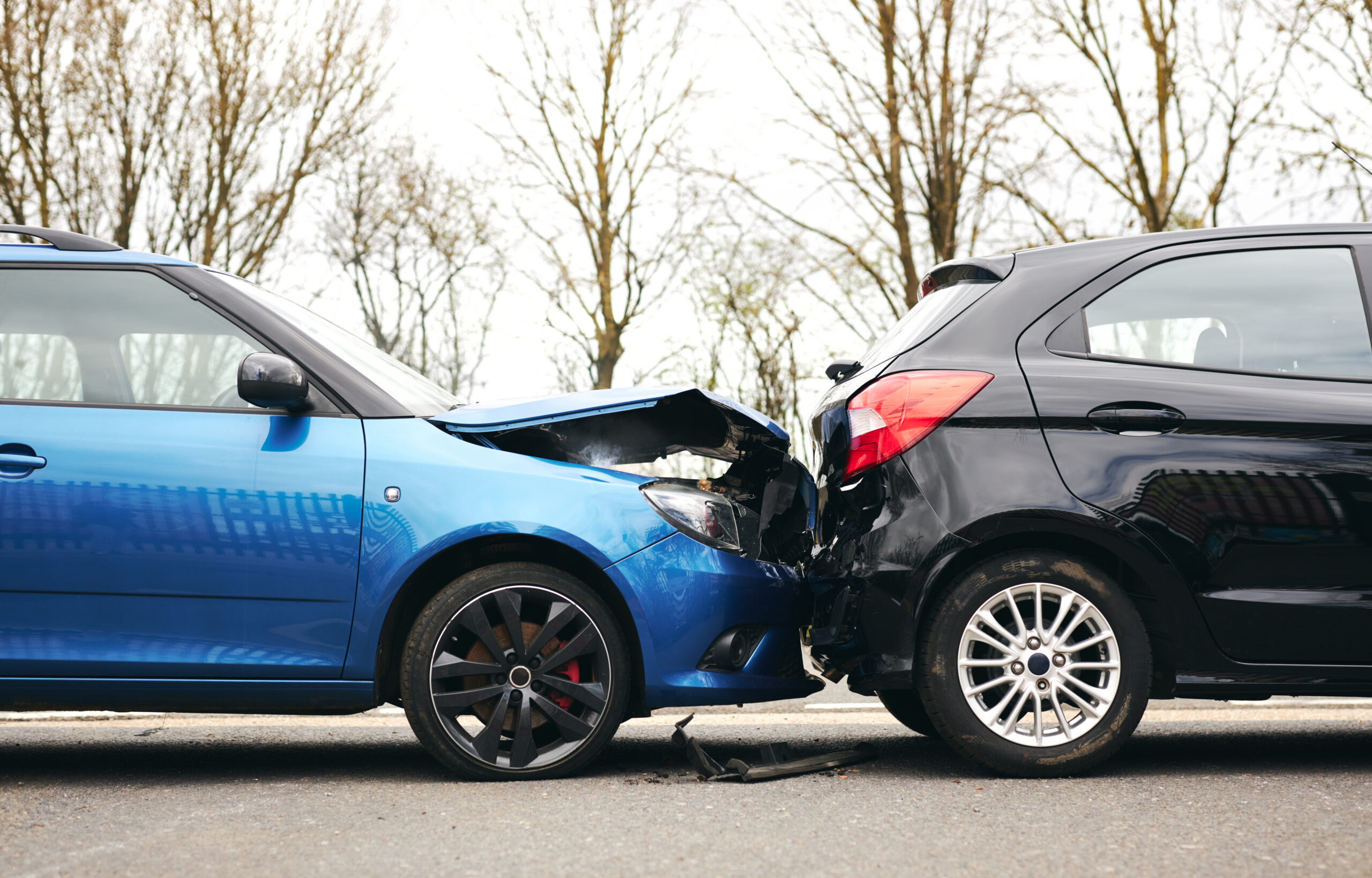
One second, you are driving home from work. Next, there is the sound of metal on metal, the jolt of the seatbelt, and a rush of adrenaline that makes it hard to think clearly.
Car accidents happen in an instant, but their consequences can last for months or even years. Medical bills arrive. Work gets missed. The insurance company calls with questions and, sometimes, a quick settlement offer. And many people realize too late that the decisions they made in the first hours and days after the crash affected their ability to recover fair compensation.
Most people never plan for a car accident, which is exactly why it helps to know the steps before you need them. Here is what to do after a car accident in New Jersey, and how to protect your health, your rights, and your future.
Step 1: Get to Safety and Check for Injuries
Your first priority is safety. If your vehicle is drivable and it is safe to do so, move it out of the flow of traffic and turn on your hazard lights. Check yourself and your passengers for injuries. If anyone is hurt, call 911 immediately.
Even if injuries seem minor, take them seriously. Some of the most serious accident injuries, including head and spinal injuries, do not always produce obvious symptoms right away.
Step 2: Call the Police
In New Jersey, accidents involving injury, death, or significant property damage must be reported to the police. Even when an accident seems minor, a police report creates an official record of what happened, who was involved, and the conditions at the scene. That record can be extremely important later.
When officers arrive, answer their questions honestly and stick to the facts. Avoid guessing about speeds, distances, or what the other driver was doing if you are not sure.
Step 3: Exchange Information
Collect the other driver’s name, phone number, address, driver’s license number, license plate number, vehicle make and model, and insurance company and policy number. If there are passengers or witnesses, ask for their names and contact information as well. Independent witnesses can be especially valuable if fault is later disputed.
Step 4: Document the Scene
If you are able, use your phone to take photos and videos of everything you can.
All vehicles involved. Capture damage from multiple angles, including license plates.
The surrounding area. Photograph traffic signals, signs, road conditions, lighting, and weather.
Physical evidence. Skid marks, debris, and vehicle positions can help reconstruct what happened.
Visible injuries. Photos of cuts, bruises, and swelling document the immediate impact.
Evidence fades quickly. Vehicles are moved, debris is cleared, and memories become less precise. Photos taken at the scene are often some of the most useful evidence in a claim.
Step 5: Be Careful What You Say
It is natural to want to apologize or be polite after an accident, even if you did nothing wrong. But statements like “I am so sorry” or “I did not see you” can later be used to suggest you accepted responsibility. Be courteous and calm, but keep the conversation focused on safety and exchanging information. Avoid discussing fault with the other driver.
Step 6: See a Doctor, Even If You Feel Fine
Adrenaline can mask pain for hours. Injuries such as whiplash, concussions, soft tissue damage, and internal injuries may not show symptoms until the next day or later. Getting checked by a medical professional promptly protects your health and provides documentation linking your injuries to the accident.
Follow your doctor’s treatment plan, attend follow-up appointments, and keep records of every visit, prescription, and expense. Gaps in treatment are often used by insurers to argue that injuries were not serious.
Step 7: Notify Your Insurance Company
Report the accident to your own insurer as required by your policy. Provide the basic facts, but be cautious about giving detailed recorded statements, especially to the other driver’s insurance company, before you understand your rights. Insurance adjusters are trained to gather information that can reduce what the company pays.
Understanding New Jersey’s No-Fault System
New Jersey is a no-fault insurance state. That means your own Personal Injury Protection coverage, commonly called PIP, generally pays for your medical expenses after an accident, regardless of who caused it.
However, your ability to sue the at-fault driver for pain and suffering may depend on the type of auto insurance policy you selected. Many New Jersey drivers have the “limitation on lawsuit” option, sometimes called the verbal threshold. This option generally restricts lawsuits for non-economic damages, such as pain and suffering, unless the injury meets certain legal criteria, which can include permanent injury, significant disfigurement or scarring, displaced fractures, loss of a fetus, or death.
Drivers who chose the “no limitation on lawsuit” option generally have broader rights to sue for pain and suffering, though that option typically comes with higher premiums. Many accident victims do not realize which option they have until after an accident, which is one reason a consultation with an attorney can be so helpful.
Shared Fault in New Jersey
New Jersey follows a modified comparative negligence rule. If you are found partly at fault for an accident, any compensation you recover may be reduced by your percentage of fault. If you are found more than fifty percent responsible, you may be barred from recovering damages from the other driver.
Insurance companies frequently try to shift blame onto injured drivers to reduce payouts. Thorough documentation, witness statements, and experienced legal guidance can help protect you from unfair fault allocations.
Do Not Wait Too Long
New Jersey generally allows two years from the date of an accident to file a personal injury lawsuit. That may sound like plenty of time, but evidence disappears, witnesses become harder to locate, and building a strong case takes time. Certain claims, including those involving government entities, may have much shorter notice deadlines. Acting early protects your options.
What Compensation May Be Available
Depending on your circumstances and your insurance policy, you may be able to recover several types of damages.
Medical expenses. Costs not covered by PIP, including future treatment.
Lost wages. Income lost while recovering, along with reduced earning capacity if your injuries affect your ability to work.
Pain and suffering. Compensation for physical pain and emotional distress, subject to your policy’s lawsuit option.
Property damage. Repair or replacement of your vehicle and personal property.
When to Call a Car Accident Lawyer
Not every fender bender requires an attorney. But you should strongly consider speaking with one if any of the following apply.
You or a passenger was injured. Injury claims are more complex and involve higher stakes.
Fault is disputed. If the other driver or their insurer is blaming you, legal guidance is critical.
The insurance company is pressuring you. Quick settlement offers are often far less than a claim is worth.
You are unsure about your lawsuit option. An attorney can review your policy and explain your rights.
Your injuries are affecting your work or daily life. Long-term impacts deserve careful evaluation.
Get Guidance When It Matters Most
A car accident can turn your life upside down in a matter of seconds. You do not have to figure out the next steps alone, and you do not have to accept whatever the insurance company offers.
Heymann & Fletcher helps New Jersey accident victims understand their rights, navigate the insurance process, and pursue the compensation they deserve.
Contact us today to schedule a consultation about your car accident claim.
This article is for general informational purposes only and is not legal advice. Please consult an attorney about your specific situation.